Randomness, AI and Astrology
From Fooled by Randomness: our brain looks for patterns, but real knowledge hides in randomness; this is why AI can never replace astrology.
A physics student sent me a video and asked me to explain it. What follows is part of that explanation. During the Covid period I read a book by Nassim Nicholas Taleb called Fooled by Randomness. The book is built entirely on this theory of randomness.
Our brain is bound to patterns. The brain builds thoughts (processes) from the collection of many small and large pieces of information, and from that, coherent knowledge is created.
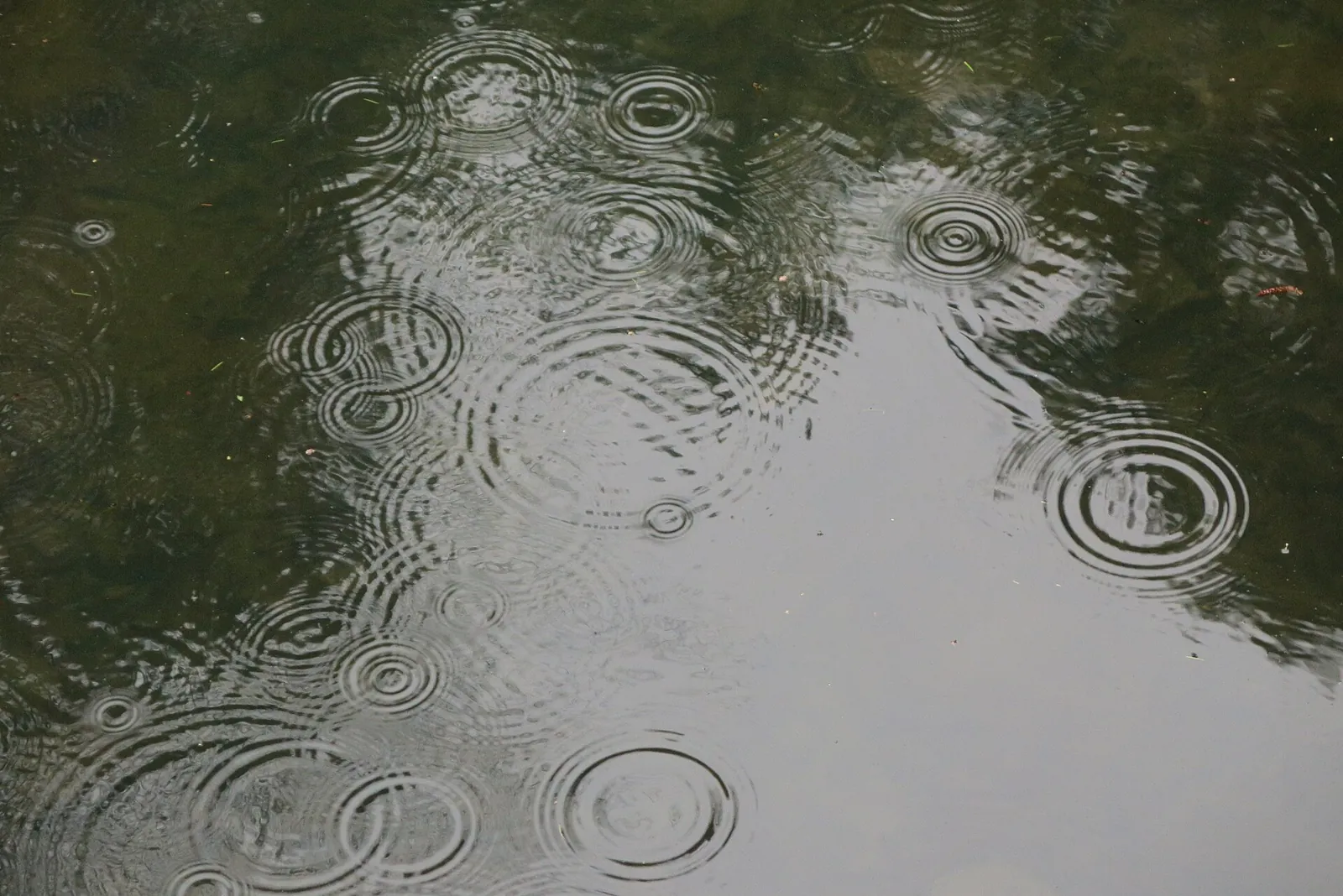
But randomness shows up in everything in our lives. Suppose we asked people to draw dots on the pages of a notebook in pencil in two ways: evenly spaced dots on one page and scattered dots on the other, and then asked them which look like raindrops. Because our brain is bound to patterns, we would most likely say the neatly drawn dots are the raindrops, because our brain takes in information along with a pattern. But the real game is in those scattered, disorderly dots, which we ignore; in our fixation on patterns we stop paying attention to random things. The real lesson, the real knowledge, the real thought lies hidden in that disorderly (random) information. In fact raindrops never fall in an orderly arrangement, because they are natural: some drops are big, some small, some close, some far apart. Even so, in its search for patterns our brain will connect the neatly drawn dots in the notebook with rain. That is plainly wrong.
Mostly, people die lying in bed in great pain rather than quickly in terrorist attacks. People die three times worse from alcohol than swiftly in any earthquake. People die in accidents while going to buy a lottery ticket more often than they win the lottery...
So this randomness is deeply mysterious and very hard to recognise. We should set aside the patterns we have learned since school and pay attention to the many sides a thing can have. People say becoming an IAS officer or a CA is difficult. But we should follow up on how it can be made easy. Elon Musk has a motto at Tesla addressed to all his engineers: "Whatever conventional knowledge is now available in the world is completely wrong, and we have to prove it." On this belief Musk and his colleagues work 20–22 hours every day at the company and make the impossible possible.
Why AI cannot take the place of a human
Since the point has come up, let me tell you something amusing: the reason AI will not be able to take a human's place is, at root, this very "randomness". Look: AI presents knowledge to us by finding patterns in, and analysing, all the data on the internet. Behind this there is a built system. A built structure here means a neatly planned process. And where there is a neatly built system, randomness is impossible. In fact an AI program presents to us, as results, only the outcomes of the work it has been built to do. That is, it has no ability at all of its own to find randomness in the data. AI will give us information by synthesising the conventional knowledge available on the internet, instead of presenting a different perspective within that information.
For this one reason, however far AI develops in future, it will not be able to stand as an alternative to astrology. AI will be of use to us as far as astrology develops on the basis of patterns. For example, Leos are about prestige, confidence and expressing themselves. Aquarians are drawn to the intellectual and the social, and so on. But where random things have to be reasoned out and understood, technology reaches its limits. There is a big difference between what is constructed and what comes to you. Something constructed may look attractive, cute and nice, but what comes to you strikes... deep. Astrology is not a knowledge to be understood by constructing it. It has to come naturally, and that naturalness comes from randomness. The essence of Fooled by Randomness is that many events in life happen by luck, not because of our efforts. People often take luck for ability and so make wrong decisions. This is what Taleb explains in the book.
So randomness is in everything; only intelligent people who understand what lies beyond words pay attention to it, otherwise every one of us follows patterns...
- Prof. Roheit Naik
Professor Roheit Naik answers them in a private consultation.
For guidance and reflection only; not medical, legal or financial advice.